- Oct 24, 2025
🇺🇸 What is self-defense? - An introduction
- Andreas Wagner
Imagine you are in a situation where suddenly everything counts: your perception, your reaction, your courage. You don't have time to think – you have to act. This is where self-defense begins.
Many people associate the term with spectacular techniques or martial arts. But self-defense is much more than that. It begins in the mind, continues in the body, and culminates in your ability to protect yourself and others from harm—legally, mentally, and physically.
In this article, I will show you what self-defense really means:
What the law allows—and what it doesn't.
Why physical training alone is not enough.
And how targeted scenario training, observation, and clarity in stressful moments enable you to act in the first place.
As someone who has practiced martial arts for over 36 years, fought on the streets, and trained countless people, I know that: self-defense is not pretty. It is necessary. And everyone should understand it.
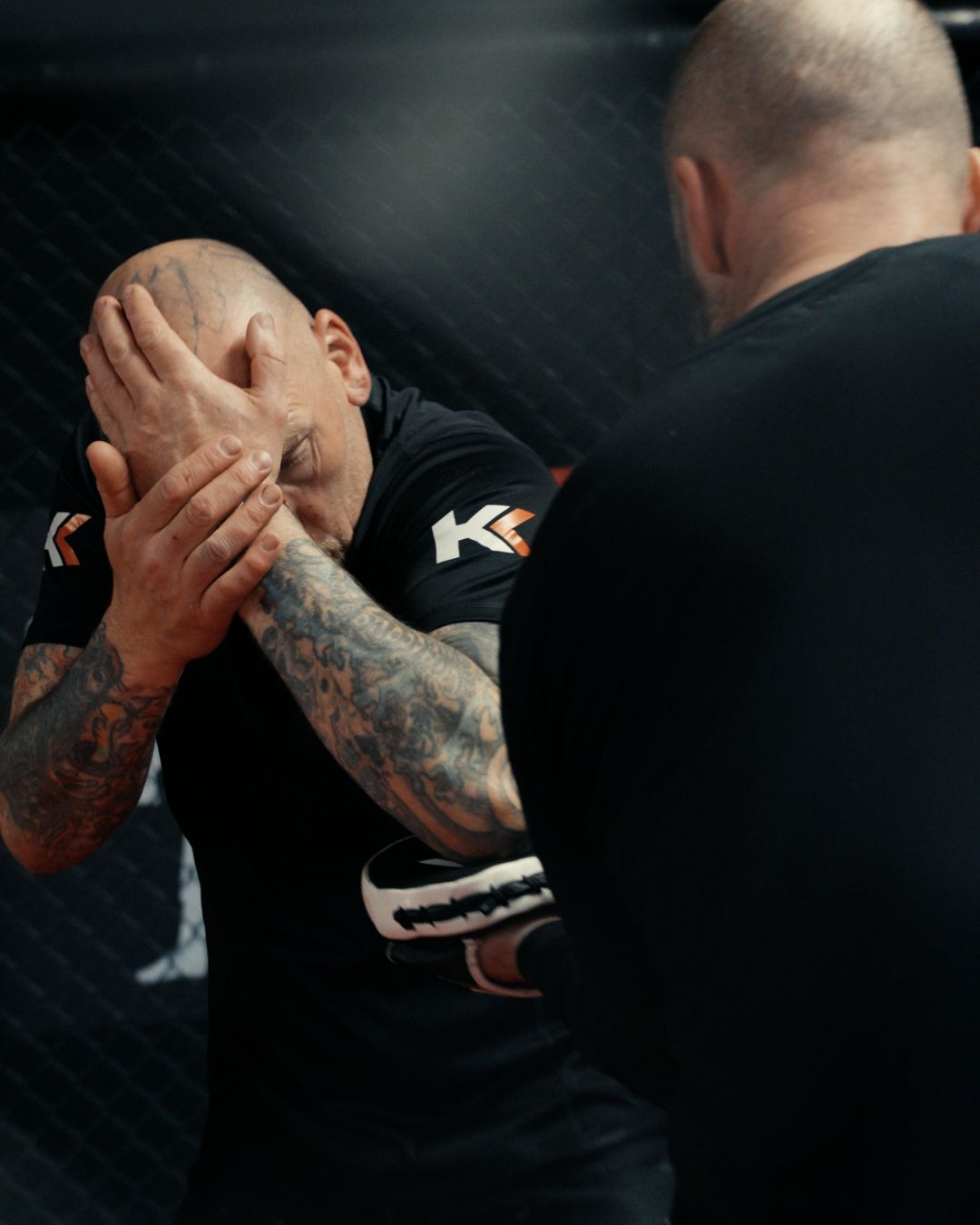
Abb. 1 Shape One gegen Uppercut (D. Harder, 18.04.2025)
Self-defense in a legal context
Many people believe that self-defense is a gray area—something best avoided so as not to get into trouble yourself. But that is a misconception. In Germany, self-defense is clearly regulated by law: Section 32 of the Criminal Code refers to the right to self-defense.
This means that if you or someone else is being unlawfully attacked, you are allowed to defend yourself. And you can use whatever means are necessary to ward off the attack. It doesn't matter whether it's your life, your physical integrity, your freedom, your property, or even your honor that is at stake—the law protects you.
But where is the line?
The key point is the principle of proportionality. Your response must not be significantly harsher than the attack itself. This sounds simple in theory, but in reality it is often anything but clear. Those who have no experience with violence, escalation, or stress reactions are helpless in an emergency.
What is “proportionate” if you don't know what will happen next?
What if the attacker suddenly loses control after your verbal warning?
What if you think you have him under control—and then he gains the upper hand?
The law gives you your rights. But you have to work out for yourself when and how to use them. Self-defense doesn't just mean being allowed to react—it also means recognizing in time when you need to act—and how far you are allowed to go.
And one thing is clear: if the attacker is already fleeing or incapacitated, you must not pursue them. At that point, your right to self-defense ends—and you may be committing a criminal offense.
The reality of self-defense
Self-defense sounds logical on paper. But real life? It's anything but orderly. It's loud, chaotic, sudden—and brutally honest.
During my time as a bouncer and through hundreds of real-life situations, I learned that the street works differently than sports. There are no rules, no fair warning, no referee. Attacks usually come unexpectedly—from behind, out of nowhere, with deception, in groups. And often without warning. If you're not prepared, you not only lose control—in the worst case, you also lose the chance of getting out of there unscathed.
That's why it's not enough to know techniques. You have to understand how violence escalates. You need to know what fear feels like, how you function on adrenaline—and what your body is really capable of in a stressful situation.
Many people believe that they would “somehow react” in an emergency. But that is wishful thinking. If you have never thought about how an attack might unfold—verbally, physically, or psychologically—you will not be able to act when it matters most. And then even a seemingly simple situation can spiral completely out of control.
Self-defense begins with confronting reality. Not with techniques, but with the realization that:
It can happen to anyone.
It can happen at any time.
And at that moment, you alone are responsible for yourself—and perhaps for others as well.
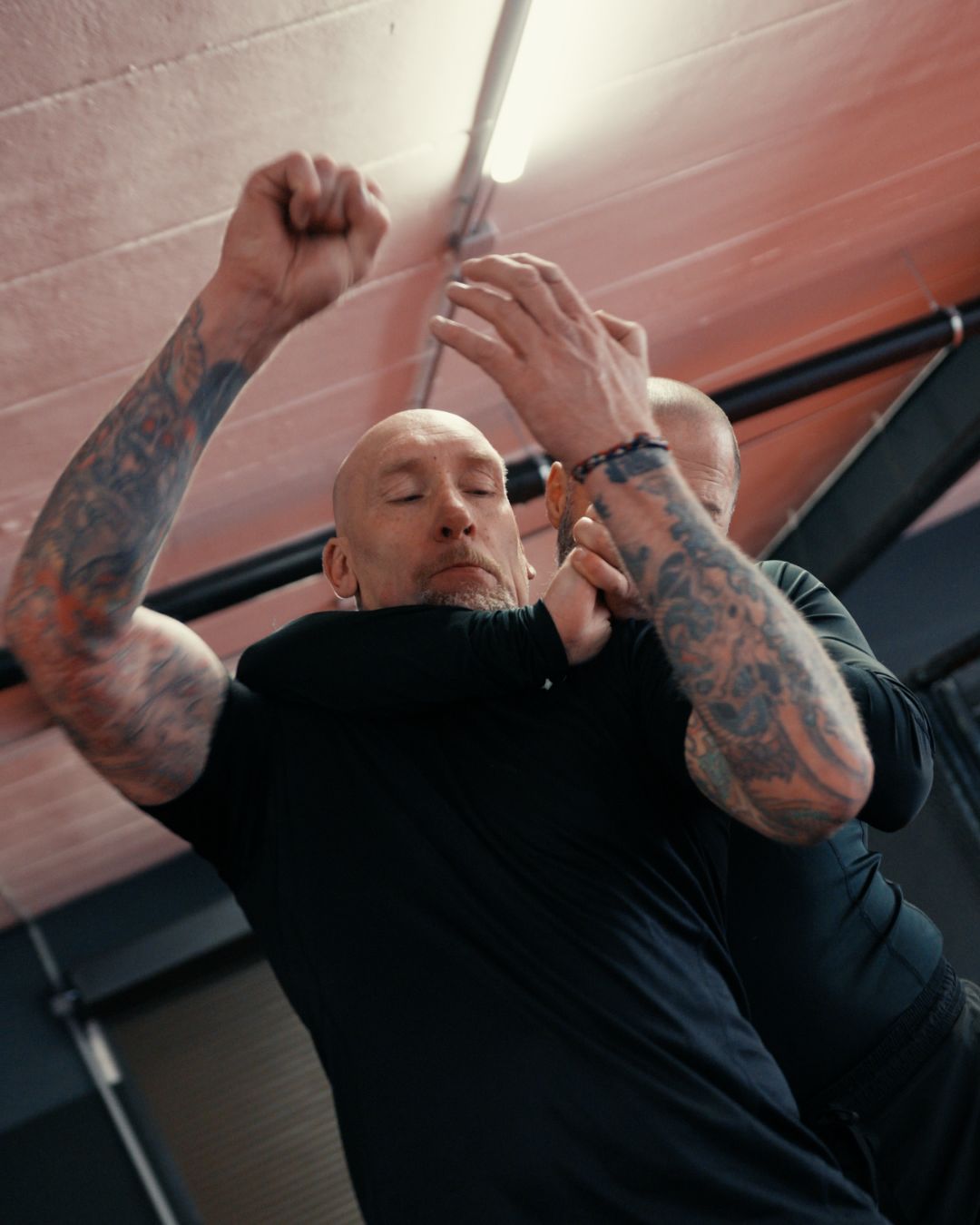
Abb. 2 Befreiung Rear Neaked Choke (D. Harder, 18.04.2025)
Body, Mind & Technique – The Three Pillars of Self-Defense
When people think of self-defense, they often imagine punches, kicks, or joint locks. But true self-defense doesn't start with your fists—it starts with the foundation: your body, your mind, and your movement.
The body
Many people train their muscles, but few understand how they move. If you want to stand securely and stably in a stressful situation, if you need to react quickly or dodge explosively, then you need a functioning core mechanism. That means balance, control, and explosiveness. Those who know their bodies are less likely to be surprised. Those who only imitate “techniques” fall apart when faced with real pressure for the first time.
The spirit
In real dangerous situations, you don't have time for doubts. You need inner clarity. That means: no panic, no paralysis, no false politeness. Mental strength does not mean not being afraid – it means remaining capable of acting despite your fear. You can only achieve this through scenario training and by consciously playing through unpleasant situations. Again and again.
The technique
Technology is important—but it has to work when it counts. You don't need hundreds of moves, just a few that you can do in your sleep. The focus is on effectiveness, not beauty. The punch that saves you isn't the most beautiful one—it's the one that hits.
And that's why training is not an event. It's a process. If you're serious about self-defense, you have to be prepared to confront yourself again and again—your limits, unpleasant scenarios, reality. Only then will you be ready when it matters.
Scenario training & 360° observation – realism beats routine
There is a truth that you often only understand when it's too late: an attack never happens the way it does in training.
That's why self-defense requires a different kind of training—real training.
Scenario training means that you don't just practice movements, but entire situations. You don't just practice punches, but decisions. You learn to stay calm under stress, to orient yourself, to react—even when your pulse is racing and the space is confined.
In a real threat situation, it's not just your technique that counts, but also:
What is happening to your left and right?
Is there a second attacker?
Where are the escape routes, obstacles, improvised aids?
That's why the ability to observe your surroundings in 360° is so crucial. You have to learn to see your environment with different eyes:
A chair, a book, a jacket—anything can be used to your advantage in a self-defense situation. But only if you've recognized it beforehand.
Only if you've trained yourself to do so.
This is not a game. It is a principle of survival.
Karuna Combat places great importance on precisely this:
Realistic scenarios, changing forms of attack, surprising sequences of events—all with the aim of making you unpredictable, adaptable, and quick to react. Because that's what helps you out there. Not belts. Not certificates. But the ability to act.
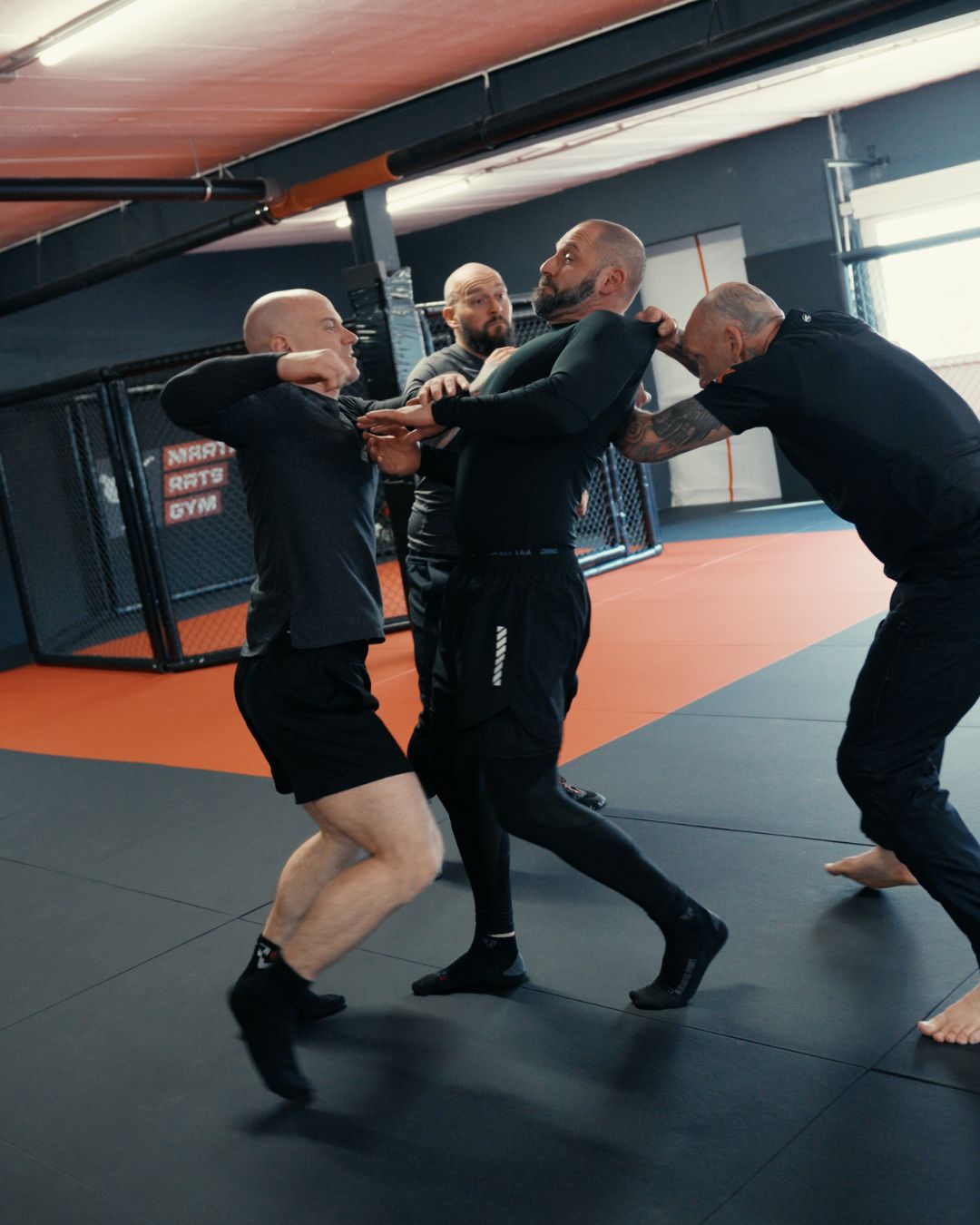
Abb. 3 Human Shield gegen 2 Angreifer mittels des ersten Angreifers (D. Harder, 18.04.2025)
The 10 principles of effective self-defense
These 10 principles come from my own experience—from over 36 years of training, from nights spent at doors, from real fights, and countless hours of teaching. They are not theoretical. They are proven. I developed them so that my students know what matters:
1. Don't wait
He who hesitates loses. Don't react—act. Take the initiative immediately.
2. 360° observation
Don't just pay attention to the attacker in front of you. Your surroundings can be a source of help or danger—be aware of them.
3. Active cover
Protect yourself actively—with movement, tension, and structure. Not like in sports, but with intention.
4. Explosive aggression
When you defend yourself, do so with energy. Controlled, targeted force can save lives.
5. Quick reaction
You don't have time to think long and hard. Automated reaction through training is crucial.
6. Don't stand still
Standing still is dangerous. Movement gives you opportunities – to dodge, counterattack, or flee.
7. Attack weak points
Effectiveness comes before fairness. You have to strike where it will have an impact.
8. Render them incapable of fighting
The goal is not to “defeat” someone, but to render them incapable of action – for your safety.
9. Be prepared (training)
You fight the way you train. No training – no chance.
10. Flee as soon as you can
Self-defense ends when you are safe. That is always the ultimate goal.
These points are at the heart of Karuna Combat. They form the foundation of my teaching, my system, and my responsibility as a trainer. Because self-defense must be realistic. Always.
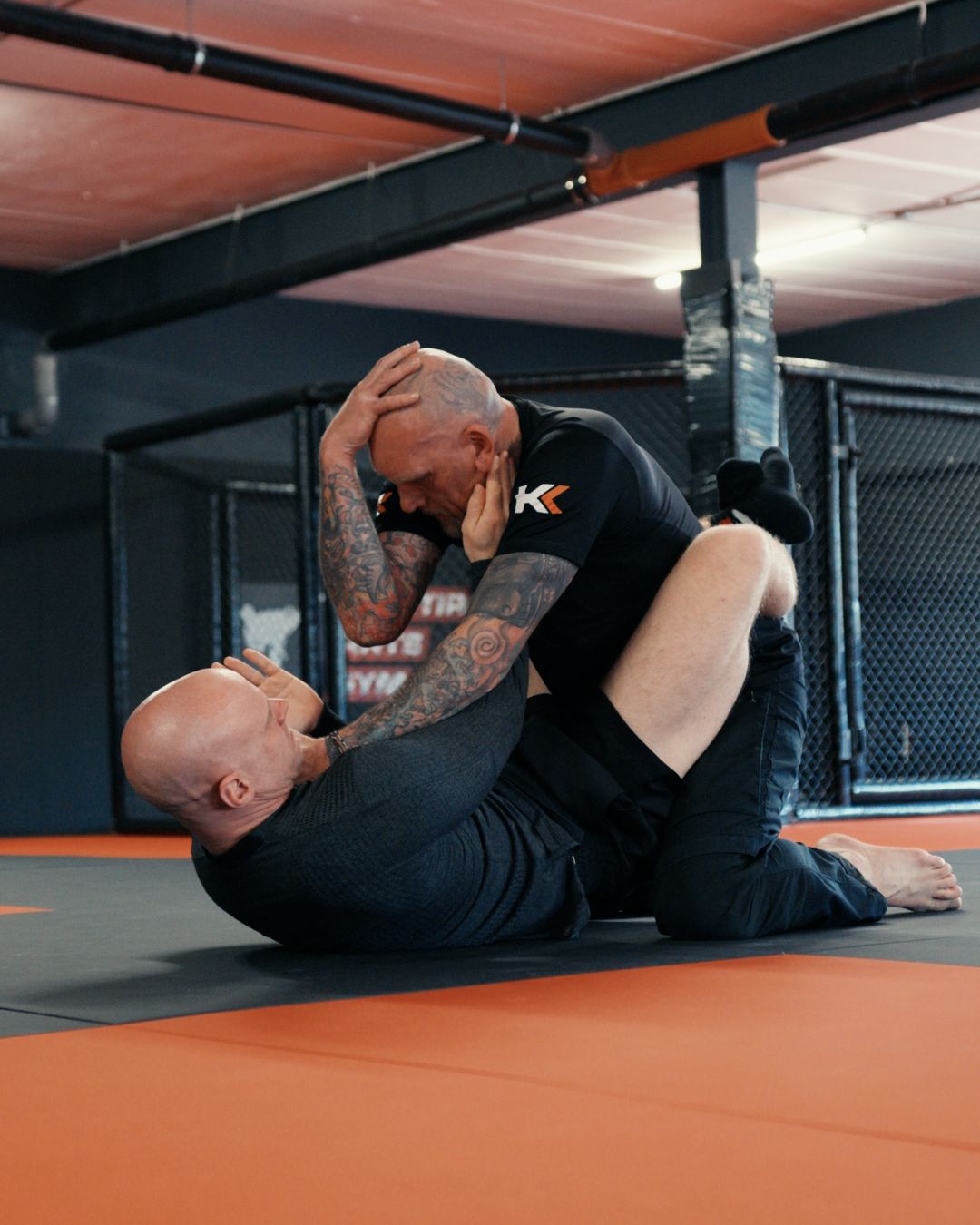
Abb. 4 Guard Counter (D. Harder, 18.04.2025)
Self-defense is preparation
Self-defense is not a hobby. It's not a trend. It's not a weekend course that you take once and then tick off your list. It's an attitude—a decision to take responsibility for yourself and others.
The road isn't fair. It's dirty, unpredictable, and sometimes merciless. And that's exactly why you need to be prepared: mentally, physically, and emotionally. Only those who have trained know their bodies. Only those who have played out scenarios recognize danger before it escalates. And only those who know themselves can react correctly in an emergency.
Karuna Combat is my way of passing on this knowledge—honestly, directly, and without any fuss. I want you to not only learn technique, but also understand what self-defense really means: responsibility, clarity, determination.
And above all: the goal is never to fight—the goal is to get home safely.
Ready to go your own way?
If you no longer want to hope that you will “somehow manage” in an emergency, if you really want to get to know your body, your mind, and your reactions—then I invite you to learn about Karuna Combat.
🔸 Train realistically
🔸 Surpass yourself
🔸 And become capable of acting—when it matters.
👉 Get started right away with a free training video from the comfort of your own home or wherever you are.